
Ibaraki Hotels: no available offers. Here are other great options for your stay!
8.8 74 reviews
Ibaraki
4 1
SG$388/nighttotal: SG$1940 (5 )
Tsunore51
apartment - Kashima-shi
This Kashima-shi apartment, Tsunore51, is conveniently located a short drive (5.1 km) from Kashima Stadium and offers easy access to Ibaraki Airport (30.6 km) and Narita Airport Terminal 2 (48.3 km). The 36-square-metre self-catering flat features one bedroom, one bathroom, free Wi-Fi, private parking, barbecue facilities, and sleeps up to two guests, making it ideal for a comfortable stay near Kashima Stadium.
9.9 138 reviews
Ibaraki
4 2
SG$147/nighttotal: SG$735 (5 )
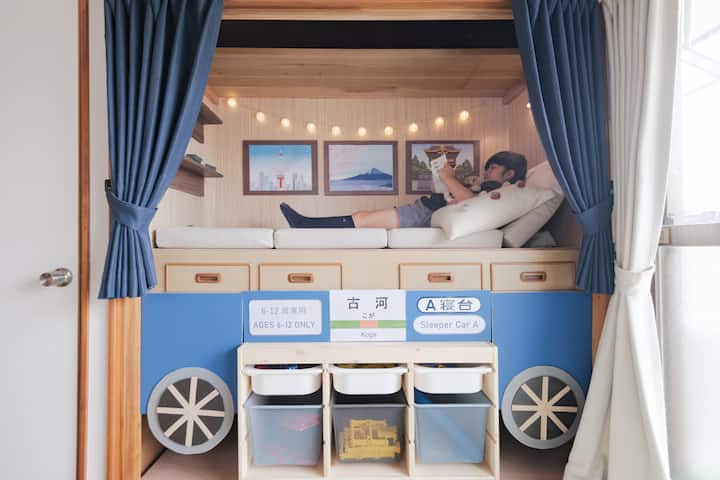
子連れ歓迎!寝台列車風 充実のキッズルーム | おもちゃ&プラレール|庭付一軒家・駅近&駐車場
apartment - Koga-shi
This spacious family-friendly house rental in Koga-shi, Ibaraki Prefecture, offers easy access to Nikko (approx. 60-80km) and Tokyo (approx. 60-80km). Sleeping up to 10 guests, the property boasts three bedrooms, one bathroom, a fully equipped kitchen with fridge, freezer, and microwave, plus multiple living areas, high-speed Wi-Fi, and ample parking (suitable for a Toyota HiAce).
Ibaraki
4 4
SG$256/nighttotal: SG$1280 (5 )
Hitachiota Studio - Vacation Stay 18131
studio - Hitachiōta-shi
Hitachiota Studio is located in Hitachiōta, Ibaraki Prefecture, approximately 12.7km from Katsuta Station and within easy reach of the Ibaraki Mushroom Museum, Shizuka Shrine, and Shizumine Furusato Park. This spacious 318 square metre apartment offers a 4-bedroom layout sleeping up to 23 guests, boasting a fully equipped kitchen, free Wi-Fi, parking, and a washing machine.
9.3 12 reviews
Ibaraki
4 2
SG$336/nighttotal: SG$1680 (5 )
Pool Villa Mito - Pool Villa 水戸
house - Mito-shi
This family-friendly villa in Mito, Ibaraki Prefecture, is situated 8.5km from Mito Station, 20km from Ibaraki Airport, and 45km from Kashima Stadium. Sleeping up to 11 guests, this property boasts a private pool, free Wi-Fi, free private parking, a fully equipped kitchen with fridge and microwave, and a terrace; children aged 0-2 stay free (maximum 2, using existing bedding).
Top cities
Frequently asked questions about hotels in Ibaraki
What are the best landmarks to visit in Ibaraki Prefecture, Japan?
Ibaraki boasts a diverse range of landmarks. For history buffs, the Mito Castle ruins offer a glimpse into Japan's feudal past, while the Kairakuen Garden in Mito is a stunning example of traditional landscape gardening. Nature lovers should head to Hitachi Seaside Park, famous for its vibrant flower displays, particularly the nemophila in spring, or explore the scenic coastline and beaches. The Oarai Isosaki Shrine, perched dramatically on a cliff overlooking the Pacific Ocean, is also a must-see.
What are the best hotels with a swimming pool in Ibaraki?
What is the best itinerary to experience Ibaraki Prefecture, Japan?
A good itinerary depends on your interests and time. A possible 3-day itinerary could include: Day 1: Explore Mito, visiting Mito Castle and Kairakuen Garden. Day 2: Journey to Hitachi Seaside Park, enjoying the stunning scenery. Day 3: Visit Oarai, exploring the Isosaki Shrine and enjoying the coastal views. This is just a suggestion; you could easily spend longer exploring specific areas, like adding a day trip to the Tsukuba mountain area for hiking if you enjoy nature.
What are the most popular 2, 3 and 4-star hotels in Ibaraki?
What is the best time to visit Ibaraki Prefecture, Japan?
The best time to visit is spring (March-May) for the stunning cherry blossoms and nemophila blooms at Hitachi Seaside Park, or autumn (September-November) for the beautiful autumn foliage. Summer (June-August) can be hot and humid, while winter (December-February) can be cold, especially in mountainous areas.
What popular festivals can you find in Ibaraki Prefecture, Japan?
Ibaraki hosts many local festivals throughout the year. One notable event is the Mito Kompira Matsuri, a vibrant festival with portable shrines and traditional performances. Many smaller, local festivals celebrate harvests and local traditions, dates of which vary annually.
What are the best family friendly hotels in Ibaraki?
What traditional local food should you try in Ibaraki Prefecture, Japan?
Ibaraki offers a range of culinary delights. Try the local Natto (fermented soybeans), a regional specialty. Seafood is also abundant, with fresh catches available at coastal restaurants. Don't miss the opportunity to sample local sweets and other traditional Japanese dishes.
Are there any unknown or hidden places that should be on your list in Ibaraki Prefecture, Japan?
While Ibaraki has many well-known attractions, exploring smaller towns and villages can reveal hidden gems. The Kasama area, known for its pottery, offers charming streets and workshops. Exploring the less-visited temples and shrines throughout the prefecture can also be a rewarding experience.
What are some authentic ways to meet locals and discover their traditions in Ibaraki Prefecture, Japan?
Staying in a traditional Ryokan (Japanese Inn) can provide opportunities to interact with staff and learn about local customs. Visiting local markets and participating in hands-on workshops, such as pottery making in Kasama, can also offer opportunities to engage with locals and learn about their traditions.
What should visitors know about the weather and natural risks in Ibaraki Prefecture, Japan?
Ibaraki experiences a temperate climate. Summers are hot and humid, while winters are relatively mild, although snowfall can occur in mountainous areas. Typhoons can occur during the summer and autumn months. It's always advisable to check the weather forecast before travelling and be aware of potential typhoon warnings.
Are there any special items you’ll need when travelling to Ibaraki Prefecture, Japan?
Comfortable walking shoes are essential, as you'll likely be doing a lot of walking. A good quality umbrella is also recommended, especially during the rainy season or typhoon season. Learning a few basic Japanese phrases can enhance your interactions with locals. A Japan Rail Pass could be cost-effective if you plan to travel extensively by train.